Quieting Your Garage: Why Marblehead Homeowners Care
If you live in Marblehead, MA and are planning a garage door upgrade, noise reduction matters. A loud opener or rattling panels can carry through tight New England lot lines and older house framing. Thoughtful garage door installation can cut sound, increase longevity, and improve comfort without a full remodel.
Key Noise-Reduction Strategies for Garage Door Installation
A quieter garage starts with choices made before installation. Focus on materials, hardware, and installation details to make the biggest impact.
1. Choose an insulated sectional door
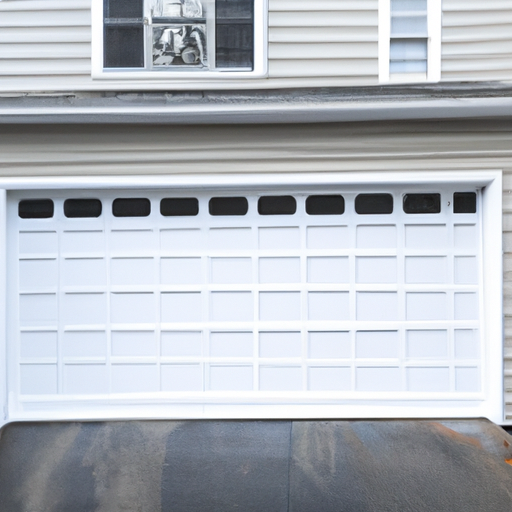
Insulated sectional doors reduce vibration and block airborne sound. Look for polyurethane or polystyrene insulation with a solid back panel; these add mass and damp vibrations. For many Marblehead homes, a 2″–3″ insulated door balances performance and curb appeal.
2. Upgrade rollers and tracks
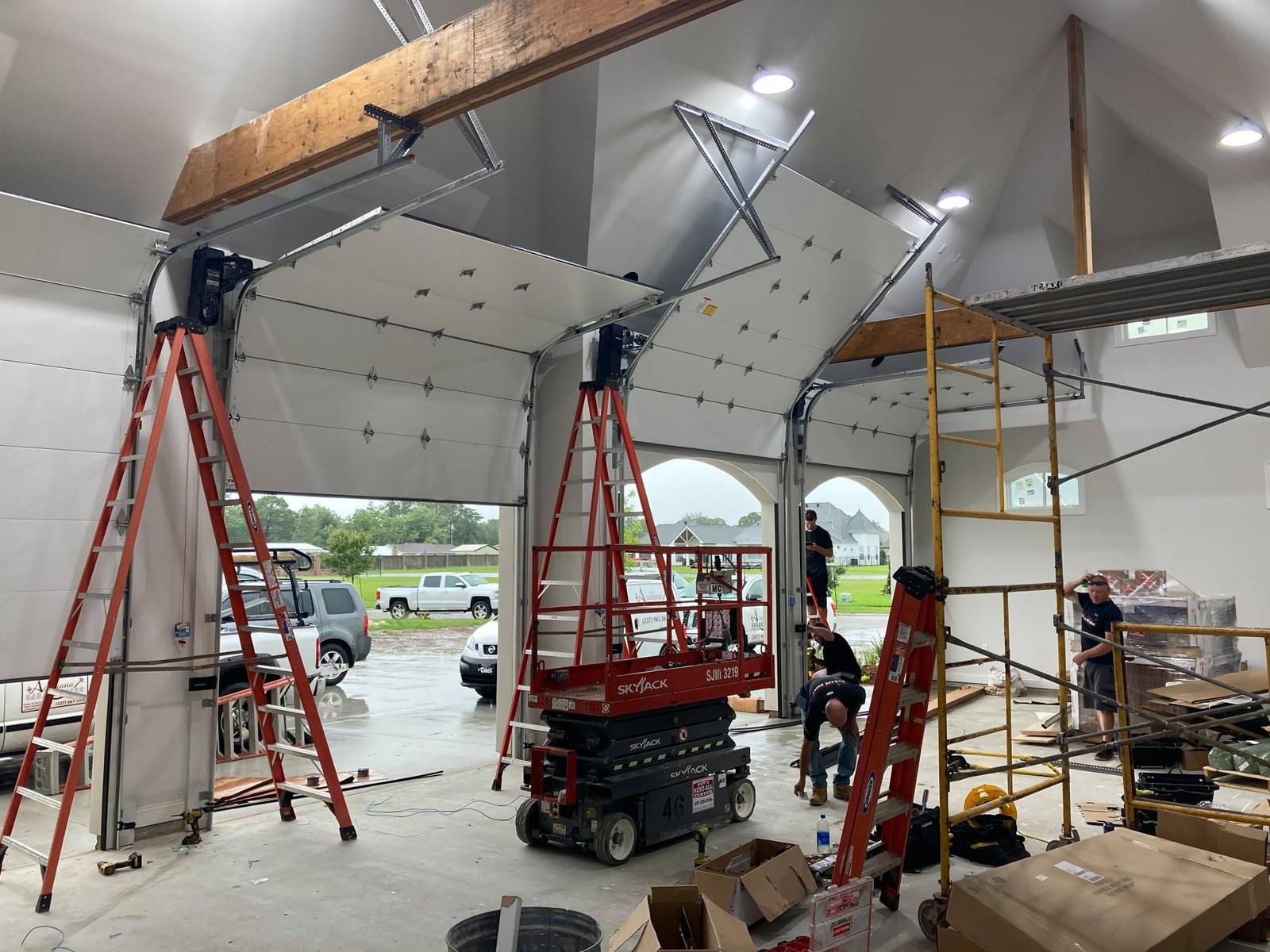
Steel rollers with nylon or Delrin bearings roll more quietly than basic stamped rollers. Precision tracks reduce shakes that turn into noise. During garage door installation, request sealed bearings and lubricated tracks to minimize mechanical humming.
3. Choose a quiet opener
Belt-drive openers are the quietest option for residential service. Belt drives transfer less vibration into the house structure than chain drives. Modern belt openers with soft-start/soft-stop settings reduce slamming and abrupt noises.
4. Add acoustic seals and weatherstripping
Bottom seals, jamb seals, and a snug header seal reduce air gaps that let sound through. In cold Marblehead winters, seals also prevent drafts and moisture. Properly fitted seals are a low-cost noise-reduction step often completed during your garage door installation.
Installation Details That Matter
Professional installation techniques make or break noise performance. Small adjustments at install time avoid costly callbacks later.
- Balance and tension: Well-balanced doors reduce strain on the opener and stop noisy oscillation.
- Isolate the opener: Use vibration isolators for overhead units to cut transmission into rafters.
- Secure hardware: Tighten loose brackets and replace worn hinges to eliminate rattles.
- Insulate the garage interior: If the garage attaches to living space, add drywall or acoustic panels on shared walls to further damp sound.
For a deeper read on maintenance and tips after installation, visit our blog where we post local updates and seasonal advice.
What to Expect: Timeline, Pricing, and Warranties
Understanding the process helps homeowners plan. Typical timelines and local cost factors for a residential garage door installation in Marblehead, MA are below.
Typical timeline
Most standard installations take one day: removal of the old door, setting new tracks, installing the door sections, tuning the opener, and finishing seals. Complex jobs—framing repairs, insulation upgrades, or custom doors—can take 1–3 days.
Pricing ranges
Noise-reduction adds modest cost but high value. Expect base door units from entry-level to premium; belt-drive openers and insulated doors increase the price but cut noise dramatically. Typical ranges for full residential garage door installation (door + opener + labor) in the region run from budget options to premium setups. Ask for itemized bids so you can see the sound-control trade-offs.
Warranties and service
Confirm manufacturer warranties on door sections and openers and ask your installer about labor warranties. Many Marblehead homeowners benefit from a one-year labor warranty plus multi-year part coverage. Keep your invoice and warranty paperwork in case of seasonal issues.
Local Considerations for Marblehead, MA
Marblehead’s coastal climate and older homes influence materials and installation choices.
- Salt air: Choose corrosion-resistant hardware (zinc or galvanized finishes) to avoid noisy rusted components.
- Cold winters: Cold can stiffen seals and increase noise; select weatherstripping rated for low temperatures.
- Preservation districts and aesthetics: If you’re in a historic area, pick styles that respect local guidelines while using modern quieting technology.
Ready to discuss a specific home? Contact our team for an on-site assessment and accurate quote through our contact page.
DIY Tips vs. Professional Installation
Some maintenance tasks are DIY-friendly: lubricating rollers, tightening loose hardware, and replacing worn weatherstripping. However, springs, opener installation, and full door replacement require specialized tools and safety measures. Because improper spring work can be dangerous, we recommend professional garage door installation for full replacements or performance upgrades.
To see our full residential service options and noise-focused packages, view our services list.
Final Checklist Before You Schedule
- Measure door opening and note headroom and side clearance.
- Decide on door insulation thickness and opener type (belt recommended).
- Check for necessary structural repairs or framing rot that need attention first.
- Ask for a written estimate with clear warranty information and a noise-reduction plan.
Well-planned garage door installation reduces noise, improves thermal performance, and protects your investment. For a quick consultation or to schedule a noise-focused installation in Marblehead, call us or use the online contact form.
Resources and Next Steps
Noise reduction is an achievable upgrade. Start with an inspection, choose insulated panels, quiet hardware, and a belt-drive opener, and get a certified installer to handle springs and final tuning. Regular maintenance will keep your garage door operating quietly for years.
Frequently Asked Questions
Q: How does Marblehead weather affect garage door noise?
A: Salt air can corrode metal components and cold temperatures stiffen seals, both increasing noise. Choose corrosion-resistant hardware and cold-rated seals to keep operation quiet year-round.
Q: How long does a quiet garage door installation usually take in Marblehead?
A: Standard residential installs typically take one day. If framing repairs, insulation, or custom trim are needed, plan for 1–3 days. We assess on-site and give a timeline with your estimate.
Q: What price range should I expect for noise-focused garage door installation?
A: Expect higher upfront cost for insulated doors and belt-drive openers, but these yield better noise control and energy savings. Request itemized quotes to compare materials, opener types, and labor.
Q: Do I need a permit in Marblehead for a new garage door?
A: Minor door replacements rarely require structural permits, but if you alter framing or enlarge an opening you may need a building permit. We recommend checking Marblehead Building Department or asking us to confirm during inspection.
Q: What warranties cover quieter garage door components?
A: Manufacturer warranties cover door panels and openers (ranges vary). Ask for the warranty terms on insulation and opener drive systems and a written labor warranty from your installer.
Helpful local resources in Marblehead, MA
- Garage Door Repair Boston
- Garage Door Repair Cambridge
- Garage Door Repair Newton
- Garage Door Repair Lexington
- Garage Door Repair Wellesley
- Garage Door Repair Brookline
- Garage Door Repair Somerville
- Garage Door Repair Burlington
- Garage Door Repair Andover
- Garage Door Repair Weston
- Garage Door Repair Belmont
- Garage Door Repair Westwood
- Garage Door Repair Sharon
- Garage Door Repair Needham
- Garage Door Repair Concord
- Garage Door Repair Hingham
- Garage Door Repair Scituate
- Garage Door Repair Marblehead
- Garage Door Repair Natick
- Garage Door Repair Milton
- Garage Door Repair Acton
- Garage Door Repair Medfield
- Garage Door Repair Sudbury
- Garage Door Repair Wayland
- Garage Door Repair Hanover
- Garage Door Repair Tewksbury
- Garage Door Repair Carlisle
- Garage Door Repair Dover
- Garage Door Repair Hopkinton
- Garage Door Repair Framingham